

Transportation represents a major share of total supply chain costs, often accounting for 40-60% of overall logistics expenses.
Rising fuel prices, ongoing labor shortages, and limited capacity continue to increase pressure on companies across industries.
Cost reduction cannot rely on simple expense cuts.
Sustainable savings require a data-focused, structured, and technology-enabled approach that improves efficiency across operations.
Let’s talk about it in greater detail.
Optimize Route Planning and Load Efficiency
Efficient route planning plays a central role in reducing transportation costs.
Advanced routing tools combined with GPS tracking allow companies to identify shorter, faster, and less congested delivery paths.
Reduced travel time leads to lower fuel consumption and fewer driver hours, both of which represent major cost factors.
Companies can further optimize fuel-related expenses by working with providers like Anytime Fuel Pros for efficient fuel delivery solutions.
Key improvements in routing performance often come through specific operational adjustments:
- Dynamic route optimization based on real-time traffic conditions
- Avoidance of high-congestion zones and toll-heavy routes
- Better sequencing of delivery stops to reduce total mileage
Empty miles, often called deadheading, create unnecessary costs and reduce overall fleet productivity.

Planning backhauls and return loads ensures vehicles carry freight in both directions whenever possible.
Higher load utilization directly improves cost efficiency and asset usage.
Several practices help reduce empty miles and improve utilization:
- Coordinating with partners to secure return shipments
- Using load-matching platforms to find nearby freight
- Aligning delivery schedules with available backhaul opportunities
Shipment consolidation also supports better use of available capacity. Combining smaller shipments into full truckloads increases load factor and reduces cost per unit.
Higher density per shipment allows companies to move more goods using fewer trips.
Consolidation efforts often focus on:
- Grouping orders by geographic region
- Aligning shipment timing to allow full loads
- Using cross-docking to merge partial shipments
Even minor routing improvements can generate noticeable savings since fuel and labor represent major cost components.
Continuous evaluation of route performance helps maintain efficiency over time.
Leverage Technology and Transportation Management Systems (TMS)
Technology plays a key role in modern transportation cost control.
Transportation Management Systems automate tasks such as route planning, carrier selection, freight auditing, and documentation processing.
Automation reduces manual work and lowers administrative expenses.
Core functions typically handled within a TMS include:
- Automated carrier selection based on cost and performance
- Digital freight auditing to detect billing discrepancies
- Electronic documentation to reduce paperwork and processing time
Real-time tracking improves visibility across shipments.
Better visibility allows faster response to delays or disruptions, which helps avoid additional costs such as detention fees or missed delivery penalties.
Operational advantages of real-time tracking include:
- Immediate alerts for route deviations or delays
- Accurate estimated arrival times for customers
- Faster decision-making during disruptions
Data analytics within TMS platforms reveal inefficiencies such as unused capacity, frequent delays, or suboptimal carrier usage.
Digital systems also reduce errors linked to manual data entry, improving accuracy and reducing financial losses.
Negotiate and Manage Carrier Relationships Strategically

Carrier management has a direct impact on transportation expenses. Regular benchmarking of freight rates ensures pricing remains competitive in changing market conditions.
Rate comparisons across multiple carriers help identify cost-saving opportunities.
Key evaluation criteria often include:
- Cost per mile or shipment
- On-time delivery performance
- Claims and damage frequency
Long-term agreements with reliable carriers can secure better pricing and consistent service levels.
Stable partnerships often lead to improved communication and operational efficiency, which reduces disruptions and unexpected costs.
Maintaining a diversified carrier base also supports flexibility. Working with multiple carriers helps companies avoid dependency and maintain stronger negotiating leverage during rate discussions.
Improve Demand Forecasting and Inventory Planning
Accurate demand forecasting reduces the need for expedited shipping, which often carries significantly higher costs.
Better alignment between demand planning and transportation scheduling helps avoid last-minute shipments and inefficient routing.
Common outcomes of improved forecasting include:
- Fewer emergency shipments with premium rates
- More predictable transportation schedules
- Better use of planned capacity
Inventory placement also affects transportation expenses. Well-positioned warehouses reduce delivery distances, especially in last-mile distribution, which is often the most expensive segment.
Improved inventory management reduces unnecessary movements and storage costs.
Balanced inventory levels ensure goods move efficiently without excessive handling or transport, which supports both cost reduction and service reliability.
Utilize Intermodal and Alternative Transportation Options
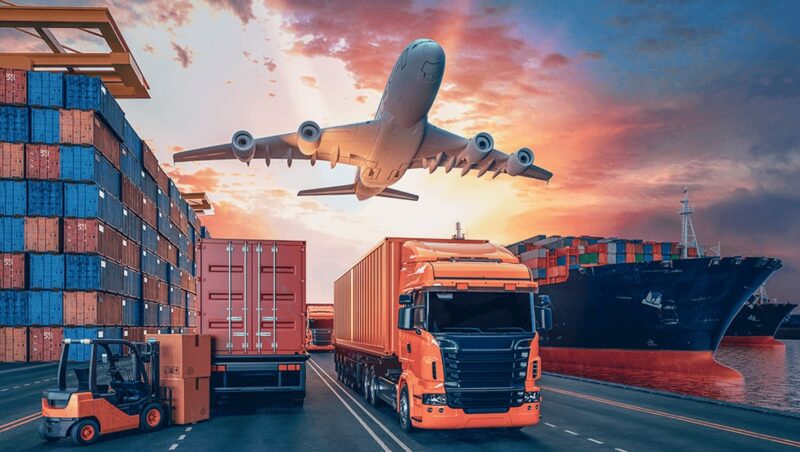
Transport mode selection has a strong impact on cost structure. Intermodal solutions that combine rail, sea, air, and road transport can reduce expenses in many cases.
Each mode offers different cost and speed characteristics that must be evaluated carefully.
Typical trade-offs between transport modes include:
- Rail and sea offer lower costs for long distances
- Air provides speed but at significantly higher cost
- Road transport offers flexibility for shorter distances
Rail and sea transport usually provide cost advantages for bulk and long-haul shipments, though transit times are longer. Careful planning helps balance cost, speed, and reliability based on shipment requirements.
Use of multiple transport modes can lower fuel consumption and reduce emissions while also providing flexibility during capacity shortages or peak demand periods.
Enhance Packaging and Load Design
Packaging efficiency directly influences transportation costs. Poor packaging leads to wasted space, higher freight charges, and increased risk of product damage.
Better packaging design improves both cost and operational performance.
Optimized packaging dimensions improve space utilization in trucks and containers.
Higher cube utilization reduces the number of shipments required, which directly lowers transportation costs.
Standardized packaging simplifies handling and lowers labor costs during loading and unloading. Lighter materials can further reduce freight expenses when pricing depends on weight or volume.
Monitor Performance and Continuously Improve

Continuous monitoring ensures long-term cost control. Key performance indicators provide measurable insight into transportation efficiency and cost structure.
Critical metrics typically tracked include:
- Cost per mile
- Cost per shipment
- Fuel efficiency
- On-time delivery rates
Regular freight audits help detect billing errors and identify inefficiencies.
Small discrepancies can accumulate into significant financial losses if left unchecked, making audits an essential control mechanism.
Benchmarking against industry standards and internal targets supports ongoing improvement.
Consistent performance tracking allows companies to uncover hidden costs and identify new savings opportunities over time.
Summary
Effective transportation cost reduction requires coordination across planning, execution, and analysis.
Technology adoption, strong carrier management, and efficient operations work together to improve results.
Long-term improvements lead to lower costs, better service levels, and stronger supply chain performance.