
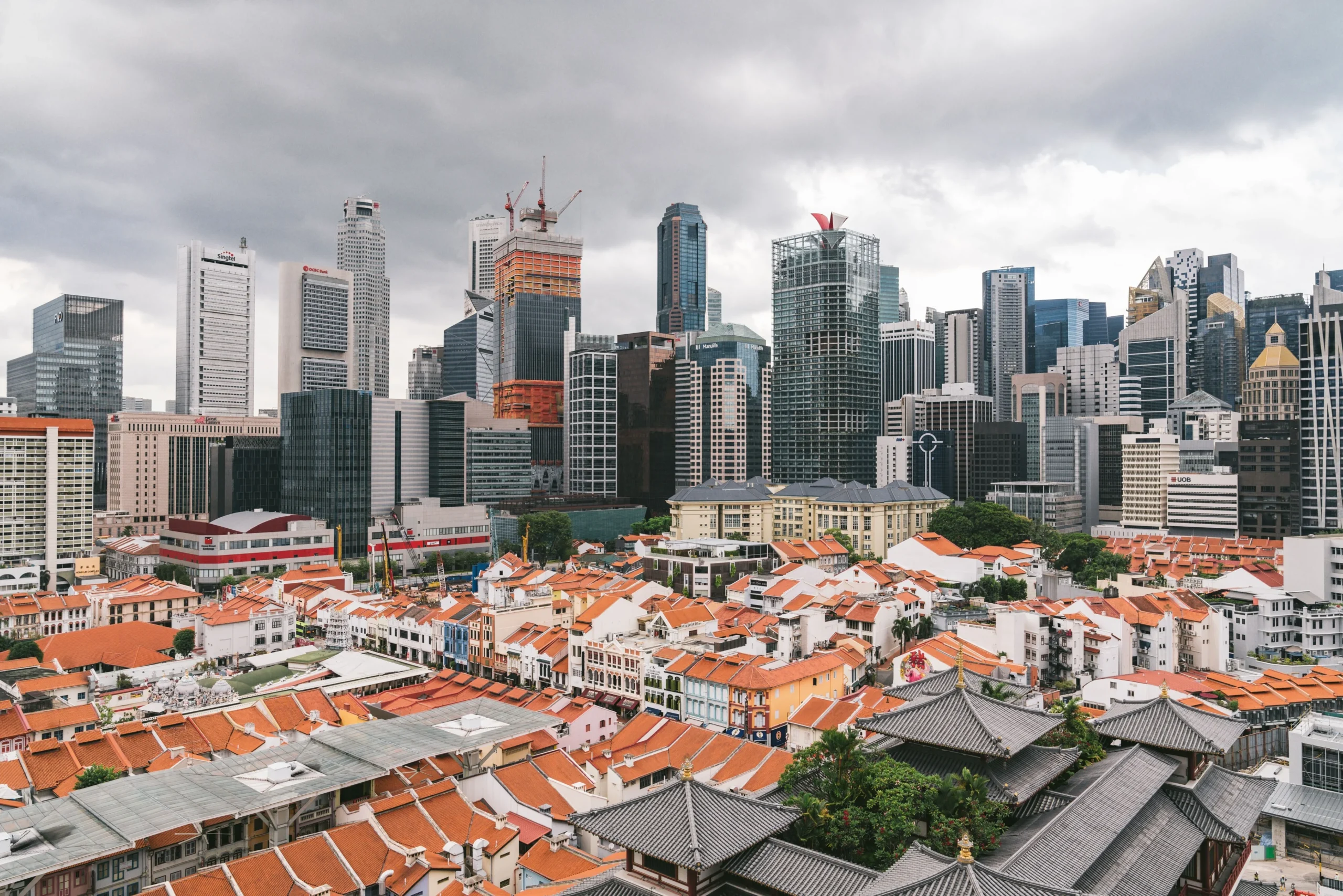
What happens when one of the world’s most supply-constrained cities meets sustained global wealth, strict housing policy, and a post-pandemic reset of work and mobility? That question sits at the center of the Singapore real estate market 2026 outlook.
Over the past decade, prices in Singapore have climbed through interest rate cycles, cooling measures, and global slowdowns, yet demand has remained unusually resilient. Buyers and investors entering 2026 are no longer asking whether the market is stable, but where value still exists and which segments are most exposed to change.
This article looks at prices, forecasts, and structural trends shaping the market, with a practical focus on how policy, demographics, and location continue to influence outcomes.
Singapore real estate market overview heading into 2026
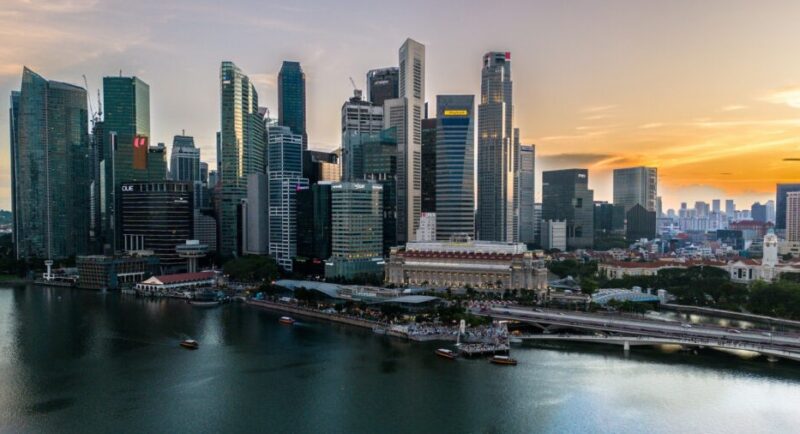
The Singapore property market entering 2026 reflects a careful balance rather than runaway growth or sharp correction. Government intervention has cooled speculative behavior, but has not reduced genuine demand driven by population growth, regional wealth inflows, and limited land availability. Transaction volumes softened slightly through 2024 and 2025, yet price indices remained firm, especially in well-located districts.
Several forces define this phase of the cycle. Owner-occupiers dominate mass market demand, while investors have become more selective due to higher Additional Buyer’s Stamp Duty rates. At the same time, luxury and waterfront developments continue attracting capital from buyers prioritizing asset security over short-term yield. The result is a market that moves slower, but with fewer signs of stress than in previous global downturns.
Key conditions shaping 2026
- Persistent land scarcity limiting new supply
- Strong household balance sheets and low forced selling
- Government controls that favor stability over acceleration
This environment rewards informed decision-making more than speculation.
Price trends across residential segments
Residential prices in Singapore do not move uniformly, and 2026 highlights those differences clearly. Core Central Region properties show steady but modest appreciation, while city-fringe and suburban areas outperform due to affordability and lifestyle appeal. New launch pricing remains elevated due to land acquisition costs, even as developers adopt more flexible incentives.
One trend worth watching is the divergence between older resale units and new developments. Well-maintained resale condominiums near transport hubs continue to command strong interest, while aging stock without upgrades faces longer selling periods. Buyers are increasingly price sensitive, comparing quantum rather than price per square foot.
Typical price behavior by segment
- Prime districts: stable growth, lower transaction volume
- City fringe: consistent demand from upgraders
- Suburbs: strongest activity due to entry affordability
This segmentation means blanket forecasts rarely capture real opportunities.
Policy environment and its effect on demand
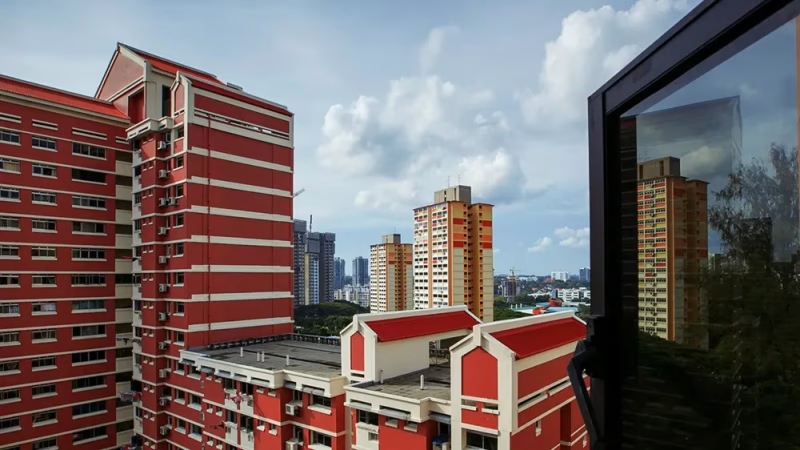
Singapore’s housing policies remain one of the most decisive forces in the market. By 2026, cooling measures introduced earlier in the decade have reshaped buyer behavior rather than suppressed it. Higher stamp duties for foreign buyers reduced speculative inflows, but did not eliminate overseas interest in strategically located developments.
Loan-to-value limits and Total Debt Servicing Ratio rules continue to cap excessive leverage. This has created a market where most buyers enter with meaningful equity buffers, reducing systemic risk. Importantly, these policies also prevent panic selling during global shocks.
Did you know?
Singapore’s housing framework is designed to prevent boom-bust cycles rather than maximize price growth, which is why corrections tend to be shallow and short-lived.
For buyers in 2026, policy clarity offers predictability, which remains one of Singapore’s strongest advantages.
Waterfront and lifestyle-driven developments gaining attention
Lifestyle-oriented real estate plays a growing role in buyer decisions, especially among professionals and long-term residents. Access to water, open space, and transit connectivity increasingly defines perceived value.
Developments like Vela Bay that combine these elements tend to outperform during slower market phases.Located along Bayshore Road, the development appeals to buyers seeking waterfront living with practical access to the city. With residences ranging from one to three bedrooms and larger penthouse options, pricing that starts around the lower luxury threshold reflects a balance between exclusivity and usability. Proximity to light rail, cycling infrastructure, and daily amenities positions such developments as lifestyle assets rather than purely speculative purchases.
In markets emphasizing quality of life, location plus livability often outweigh short-term price movements.
Supply pipeline and construction outlook
New housing supply remains tightly managed in Singapore, and 2026 continues that trend. Government land sales have been calibrated to avoid oversupply, particularly in the private residential segment. While several projects are scheduled for completion, the overall pipeline remains modest relative to demand.
Construction costs remain elevated due to labor constraints and material pricing, which feeds directly into higher launch prices. Developers are therefore cautious, phasing launches strategically rather than flooding the market. This discipline supports price stability even when sales velocity slows.
Supply characteristics in 2026
- Controlled land releases
- Phased project launches
- Emphasis on mixed-use and transit-linked sites
For buyers, this means limited opportunities to wait for large price drops driven by excess inventory.
Rental market dynamics and yields
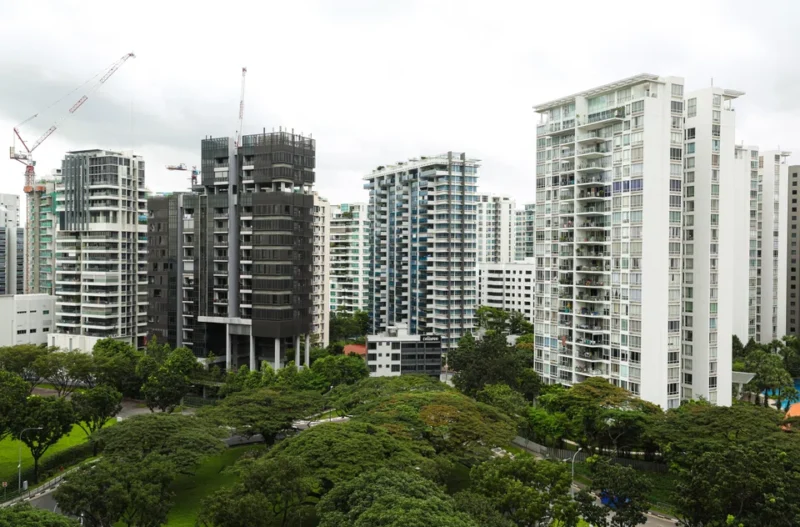
The rental market has normalized after the sharp post-pandemic spike, but remains structurally tight. By 2026, expatriate demand stabilizes rather than surges, while local households delay purchasing due to pricing and interest rate considerations. This combination supports steady rental demand without extreme volatility.
Gross rental yields remain modest by global standards, often ranging between 2.5 and 4 percent depending on location and property type. However, many investors accept lower yields in exchange for capital preservation and regulatory stability. Well-located, efficiently sized units perform best, especially near employment centers and transit nodes.
Rental performance factors
- Proximity to transport
- Unit size efficiency
- Building age and amenities
Income expectations should be conservative, but reliable.
Buyer profiles shaping the 2026 market
Understanding who is buying matters as much as what is being built. In 2026, the buyer pool is more diverse but also more deliberate. First-time local buyers remain active in suburban areas, while upgraders target city-fringe projects offering better layouts and amenities.
Foreign buyers, though fewer, focus on trophy assets and long-term holds. Family offices and high-net-worth individuals view Singapore property as a wealth anchor rather than a trade. This shift reduces speculative churn and supports long holding periods.
Common buyer motivations
- Long-term residence security
- Asset diversification
- Lifestyle alignment rather than short flips
These profiles contribute to slower, steadier market behavior.
Forecast for Singapore real estate prices in 2026

Price forecasts for 2026 point toward moderate appreciation rather than dramatic shifts. Most analysts expect annual growth in the low single digits, assuming no major external shocks. Upside risk exists in premium locations with constrained supply, while downside risk is limited by policy buffers and strong household balance sheets.
Interest rates play a role, but are less influential than in highly leveraged markets. Even if rates remain elevated, most buyers have already priced this into their decisions. The bigger variable is global capital movement, particularly from regional wealth seeking stable jurisdictions.
Overall, the Singapore real estate market 2026 outlook favors patience, selectivity, and quality over speed.
Practical considerations before buying in 2026
Entering the market in 2026 requires a practical mindset. Buyers should focus on fundamentals rather than short-term headlines. Location, connectivity, and long-term usability matter more than timing the cycle.
A helpful approach includes:
- Comparing total purchase quantum, not just price per square foot
- Stress-testing affordability under higher interest scenarios
- Prioritizing developments with strong maintenance standards
Singapore rewards disciplined buyers who think in decades, not quarters.
Closing perspective on the 2026 market
The Singapore real estate market in 2026 is neither overheated nor undervalued. It is structured, regulated, and shaped by long-term thinking.
Price growth is steady, not explosive, and opportunities exist for buyers who understand segmentation rather than chasing broad trends. Waterfront and transit-linked developments, controlled supply, and policy consistency continue to define outcomes.
For those seeking stability, livability, and long-term value, Singapore remains a market where clarity matters more than speculation.