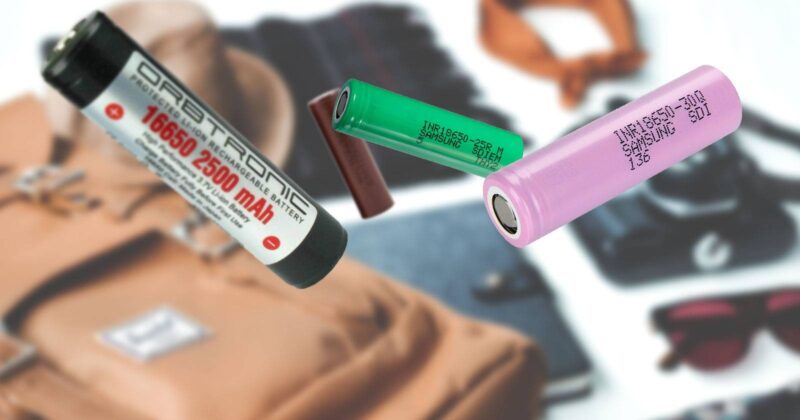
Have you ever wondered why a battery the size of your thumb can power flashlights, laptops, electric scooters, and even some electric cars? It’s almost like packing a mini power plant in your pocket.
The secret lies in the humble 18650 rechargeable battery.
These cylindrical lithium-ion cells have become a backbone of modern portable energy storage, balancing power, efficiency, and flexibility in a way that few other formats do.
Let’s research what makes them tick, how they perform, and what you absolutely need to know about using them safely.
What Exactly Is an 18650 Battery?
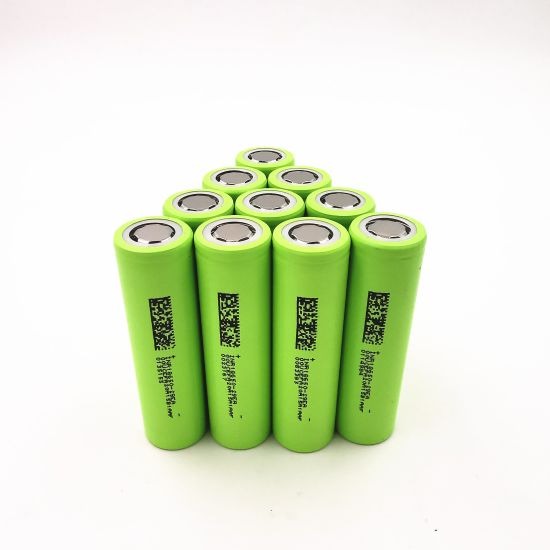
Imagine a battery that’s a bit bigger than an AA but much more powerful and rechargeable hundreds of times throughout its life.
That’s the 18650 battery in a nutshell.
These cells are part of the lithium-ion family, known for high energy density, low self-discharge, and long cycle life — traits that make them ideal for everything from consumer electronics to advanced energy systems.
In fact, the name “18650” isn’t random. It literally describes the size of the cell: 18 mm in diameter and 65 mm in length.That consistent form factor has helped engineers design thousands of devices around this format.
Here’s something you might find interesting: aside from the common 18650, there are other cylindrical lithium-ion sizes too.
For instance, a li-ion cylindrical cell 14500 750mah 3.7v is a smaller cousin often used in compact gadgets.
These batteries are popular in high-drain devices like LED flashlights and portable electronics because they deliver more power and longer runtime than standard AA cells of the same size.
Anatomy of an 18650 Cell
In essence, most 18650 batteries are:
- Cylindrical
- Rechargeable
- Lithium-ion chemistry
- Standardized in size and performance parameters
This standardization means you can swap cells between devices or build custom battery packs with confidence — provided you know the right specs and safety practices.
Capacity and What It Really Means
If you’re shopping for the right 18650 battery, you’ll see something like 3000mAh printed on the side.
That number isn’t random — it tells you how much charge the cell can hold. mAh stands for milliampere-hours, and it’s a way of quantifying how long a battery can deliver a certain amount of current before it’s drained.
Here’s how capacity plays out in real terms:
- 1500–2000mAh is considered low capacity
- 2000–2600mAh is standard for many devices
- 2700–3500mAh is high capacity and great for longer runtimes
Higher capacity generally means the battery can power a device for a longer period between charges. That makes high-capacity cells popular in flashlights, power tools, e-bikes, and other energy-hungry applications.
Quick Fact: The capacity range of 18650 cells typically spans from around 1200mAh up to 3600mAh, depending on chemistry and manufacturer.
Why Capacity Isn’t Everything
More capacity doesn’t always equal better performance for your specific use case.
For devices that draw high current (like power tools), a lower-capacity cell with a higher discharge rate might actually deliver more usable power.
That’s why choosing an 18650 battery isn’t just about picking the highest number you see.
Voltage Basics: How Much Power Are We Talking About?
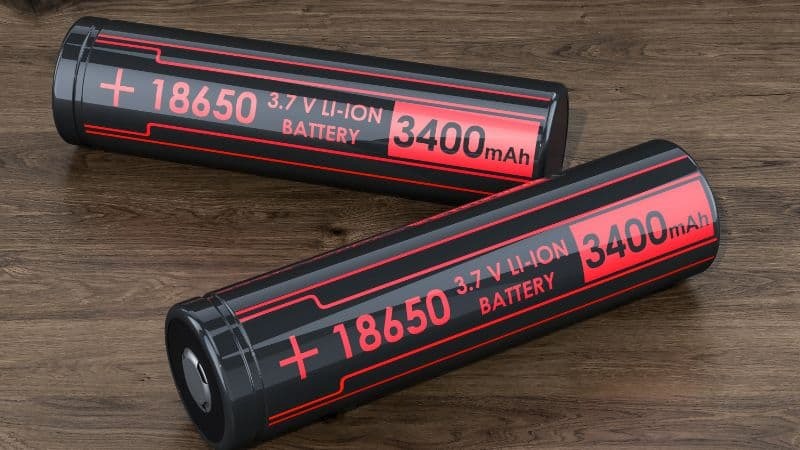
Voltage — measured in volts (V) — describes the electrical “pressure” that pushes current through a circuit.
For 18650 batteries, understanding voltage is key to matching a battery to your device.
Let’s look at a typical 18650 voltage profile:
Voltage Specification | Typical Value
Nominal Voltage | ~3.6V–3.7V
Maximum Charge Voltage | ~4.2V
Minimum Safe Discharge Voltage | ~2.5V
This range isn’t arbitrary. The nominal voltage represents the average under typical load, while the maximum and minimum voltages define the safe limits for operation and charging.
Going outside these ranges — especially overcharging above 4.2V — can damage the cell and create serious safety risks.
State of Charge and Voltage
You can actually estimate how much charge remains based on the voltage:
- ~4.2V — fully charged
- ~3.7V — about half charge
- ~3.0V — approaching empty
This relationship helps hobbyists and engineers design battery management systems (BMS) that keep cells operating efficiently and safely.
Safety Matters: Handling 18650 Batteries the Right Way
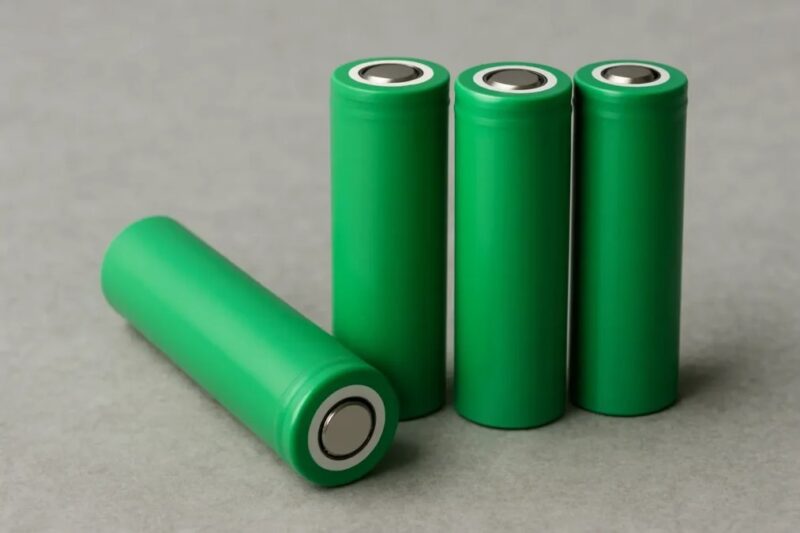
Working with 18650 cells is generally safe if you follow some basic precautions, but neglecting them can quickly turn trouble into danger. Lithium-ion batteries are powerful, but they’re not as foolproof as everyday alkaline cells.
Safety Tip: Store spare 18650 cells in a proper case or container. Throwing them loose in a pocket with keys or metal tools can cause a short circuit, potentially leading to sparks or fire.
Here are the key safety points to consider:
Do Not Overcharge or Deep Discharge
Charging beyond 4.2 volts or discharging below 2.5 volts per cell can significantly reduce lifespan, damage the battery, or even lead to thermal runaway (a dangerous overheating event).
Always use a charger designed for lithium-ion chemistries, ideally one that stops charging automatically at the correct voltage.
Watch for Physical Damage
If the battery wrapper is torn or dented, don’t use the cell. Physical damage compromises internal safety layers and increases the risk of short circuits or internal heating.
Avoid Counterfeits and Cheap Cells
Not all 18650 batteries are created equal. Recent industry analysis found that low-cost or counterfeit batteries often have faulty internal structures and exaggerated capacity claims, increasing the risk of fire and underperformance.
Buying from reputable brands and reliable suppliers helps ensure you’re getting what’s advertised.
Charging and Usage Tips
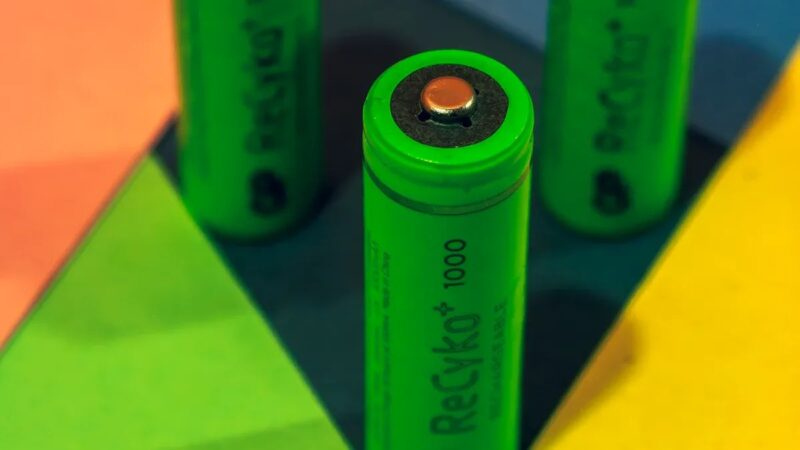
Charging time for an 18650 cell depends on both its capacity and the current supplied by the charger. As a rough reference:
- Charging a 3000mAh cell at 1A (1000mA) could take roughly 3.5 hours to fully charge from empty.
Using smart chargers that balance cells and cut off at the right voltages can significantly prolong battery life and reduce safety risks. Also, storing batteries at around 40 to 60 percent charge if you’re not using them for a while helps limit capacity loss over time.
Real-World Applications: Where 18650 Batteries Shine
These cells have found their way into many corners of modern life:
- Flashlights and portable lighting — reliable and long-lasting power.
- Laptops and power banks — sustained energy for daily use.
- Electric bikes and scooters — foundational energy storage.
- DIY battery packs — flexible building blocks for custom power systems.
- Electric vehicles — used in early EV models like some Tesla cars.
Their combination of size, capacity, and rechargeability makes them incredibly versatile — as long as you respect their limits and handle them responsibly.
Wrap-Up: Why 18650 Batteries Still Matter
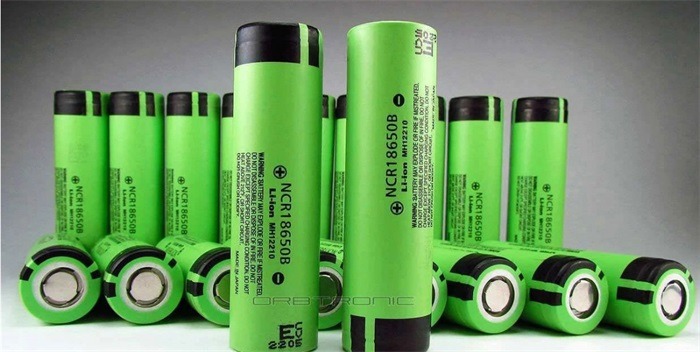
From early laptop days to electric mobility and beyond, 18650 rechargeable batteries have proven themselves as reliable, recyclable, and adaptable energy sources.
Understanding capacity, voltage, and safety isn’t just technical jargon, it directly influences how well your devices perform and how long your batteries last.
By matching the right cell to your application, using proper chargers, and following safe handling practices, you can tap into the full potential of these compact powerhouses.
Frequently Asked Questions
Can I mix different brands of 18650 batteries in a battery pack?
It’s generally not recommended. Different brands and models can have varying internal resistance and capacity, which may lead to imbalanced packs and reduce overall performance or safety if no balancing system is used.
How many charge cycles can I expect from a typical 18650 cell?
Cycle life varies by chemistry and quality, but many standard lithium-ion 18650 batteries can handle several hundred full charge/discharge cycles before capacity begins to noticeably fade.
Are 18650 batteries waterproof?
No standard 18650 cells are inherently waterproof. Protection against moisture needs to come from the device or enclosure they are placed in.
What’s the difference between protected and unprotected 18650 cells?
Protected cells have a small circuit that prevents overcharge, over-discharge, and short circuits. This added safety makes them better for general consumer use, though they may be slightly larger than unprotected cells.