

Mobile application security has become a strategic priority as businesses rely more heavily on apps to deliver services and protect sensitive data. Choosing the right protection solution can directly impact development speed, user trust, and long-term resilience against evolving threats.
Finding an alternative to guardsquare is increasingly relevant for organizations that want flexibility, clarity, and efficiency in their mobile application security strategy. As mobile ecosystems expand and threats become more sophisticated, businesses are reassessing whether a single solution continues to meet their evolving needs. Evaluating other approaches allows teams to align security controls with development workflows, performance expectations, and long-term operational goals.
Mobile applications are exposed to risks such as reverse engineering, unauthorized modification, data leakage, and runtime exploitation. Protecting against these risks requires a combination of techniques that work seamlessly without affecting user experience. When teams explore new options, the goal is not simply replacing one tool with another, but adopting a security approach that offers better visibility, control, and adaptability.
Why Mobile App Security Remains Critical

Mobile apps often handle sensitive user data, payment information, and proprietary business logic. Once an application is installed on a device, it operates in an environment that developers cannot fully control. Attackers may analyze the app, manipulate its behavior, or extract valuable information.
Security layers are designed to reduce these risks by making attacks more difficult and less rewarding. Organizations seeking an alternative to guardsquare often want solutions that provide strong protection while remaining easy to manage across multiple development teams and release cycles.
Core Capabilities to Look for in a Security Platform
Before comparing tools, it is helpful to identify the essential capabilities required for effective protection. These capabilities form the foundation of any mobile app security strategy.
Key capabilities typically include:
- Code obfuscation to reduce readability
- Runtime protection against tampering and debugging
- Encryption of sensitive data and assets
- Threat detection and reporting mechanisms
Evaluating how well each platform delivers these capabilities helps narrow down suitable options.
Evaluating Integration and Workflow Compatibility
Security solutions should support development, not slow it down. Seamless integration into build pipelines ensures that protection becomes a standard part of the release process rather than an afterthought.
Important integration aspects include:
- Compatibility with existing CI/CD tools
- Clear documentation and SDK support
- Minimal manual configuration steps
- Automation-friendly workflows
Teams often look for an alternative to guardsquare when integration complexity becomes a bottleneck or when faster deployment cycles are required.
Performance and User Experience Considerations
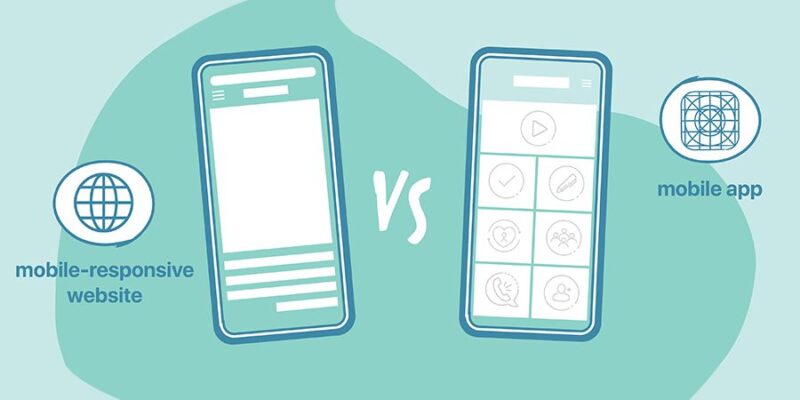
End users expect fast and responsive mobile apps. Security mechanisms that significantly impact performance can lead to poor reviews and reduced engagement. Measuring performance impact across devices and operating systems is therefore essential.
Areas to assess include:
- App startup time after protection is applied
- Runtime overhead during normal usage
- Battery and memory consumption
- Stability under real-world conditions
A balanced solution protects the app without being noticeable to the user.
Understanding Code Protection Techniques
Code protection helps prevent attackers from understanding application logic. Obfuscation transforms code into a form that is difficult to read or analyze, raising the effort required for reverse engineering.
When reviewing an alternative to guardsquare, organizations often compare:
- Level of control over obfuscation rules
- Ability to exclude critical libraries if needed
- Impact on debugging and maintenance
- Support for modern programming frameworks
Flexible code protection allows teams to secure critical components without compromising maintainability.
Runtime Protection and Threat Detection
Runtime protection monitors application behavior while it is running. This layer detects suspicious activity such as debugging, tampering, or execution in compromised environments.
Effective runtime protection typically includes:
- Detection of rooted or jailbroken devices
- Emulator and debugger identification
- Integrity checks to detect modification
- Configurable responses to threats
Customizable responses help organizations strike the right balance between security and usability.
Data Security and Encryption Requirements
Protecting sensitive data is a core responsibility of mobile apps. Encryption ensures that even if attackers access stored data, it remains unreadable.
Key data protection considerations include:
- Encryption of local storage and assets
- Secure handling of credentials and tokens
- Key management and rotation support
- Alignment with industry standards
Teams evaluating an alternative to guardsquare may prioritize solutions that simplify encryption management while maintaining strong protection.
Compliance and Industry Standards
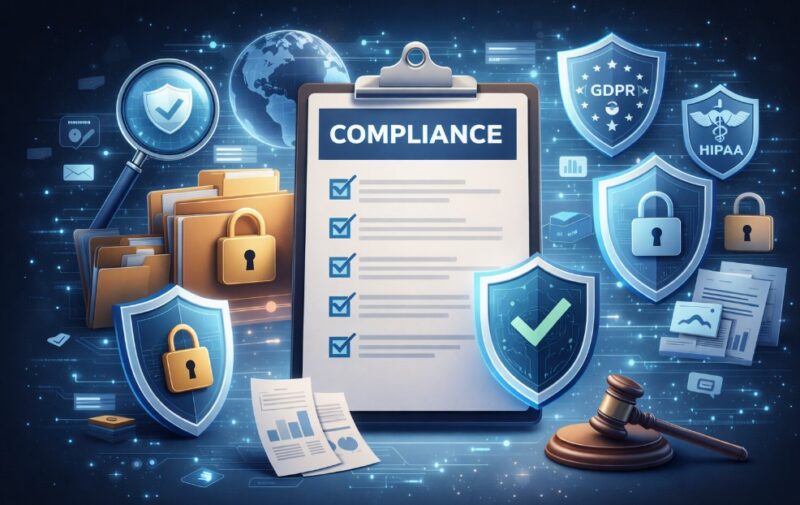
Many applications must comply with regulatory frameworks related to data protection and privacy. Security platforms that support compliance reporting can reduce audit effort and operational risk.
Compliance-related features often include:
- Clear documentation of security controls
- Logging and reporting for audit purposes
- Support for region-specific regulations
- Regular updates aligned with new standards
Choosing a solution that aligns with compliance needs ensures smoother regulatory reviews.
Scalability and Cost Transparency
As applications grow, security requirements and costs can increase. Transparent pricing and scalable architecture help organizations plan long-term investments.
When assessing scalability, consider:
- Pricing models and cost predictability
- Ability to support growing user bases
- Flexibility to add or remove features
- Support for multiple applications
Organizations often seek an alternative to guardsquare when they need clearer cost structures or more adaptable scaling options.
Cross-Platform and Framework Support
Modern development teams often work across multiple platforms and frameworks. A unified security approach reduces duplication and simplifies management.
Important cross-platform factors include:
- Consistent protection for Android and iOS
- Support for cross-platform frameworks
- Centralized management and reporting
- Reduced need for platform-specific customization
Consistency across platforms improves efficiency and reduces operational complexity.
Vendor Reliability and Long-Term Support
Security is an ongoing process that requires continuous updates and support. Evaluating a vendor’s commitment to innovation and customer success is essential.
Key indicators of reliability include:
- Frequency of updates and improvements
- Responsiveness of technical support
- Clear product roadmap
- Active engagement with customers
Strong vendor support ensures that protection evolves alongside emerging threats.
Making the Right Choice for Your Organization
Selecting the right security platform involves more than comparing features. Testing solutions in real environments, gathering developer feedback, and aligning with business objectives lead to better outcomes.
Rather than focusing on replacing a tool, organizations should focus on improving their overall security posture with solutions that support growth, agility, and resilience.
Conclusion

Exploring an alternative to guardsquare allows organizations to rethink how they protect mobile applications in a rapidly changing threat landscape. By focusing on integration, performance, runtime protection, data security, and scalability, teams can adopt solutions that fit their operational needs without unnecessary complexity.
For businesses looking for a modern and streamlined approach, Doverunner offers practical mobile app protection with developer-friendly integration and clear runtime insights. With its focus on adaptability and efficient security controls, Doverunner can be positioned as a strong option for organizations aiming to protect applications while maintaining speed, clarity, and long-term confidence.