
The use of warm water for healing and relaxation dates back thousands of years. Cultures around the world have long recognized the restorative power of heat and immersion, using natural hot springs and baths to relieve pain, calm the mind, and promote overall health. Today, hot water therapy has evolved into a convenient at-home wellness solution through modern hot tubs, combining tradition with advanced comfort and technology.
Whether used to unwind after a stressful day, ease physical discomfort, or support long-term wellness, hot water therapy offers a wide range of benefits that extend far beyond simple relaxation.
The Science Behind Hot Water Therapy
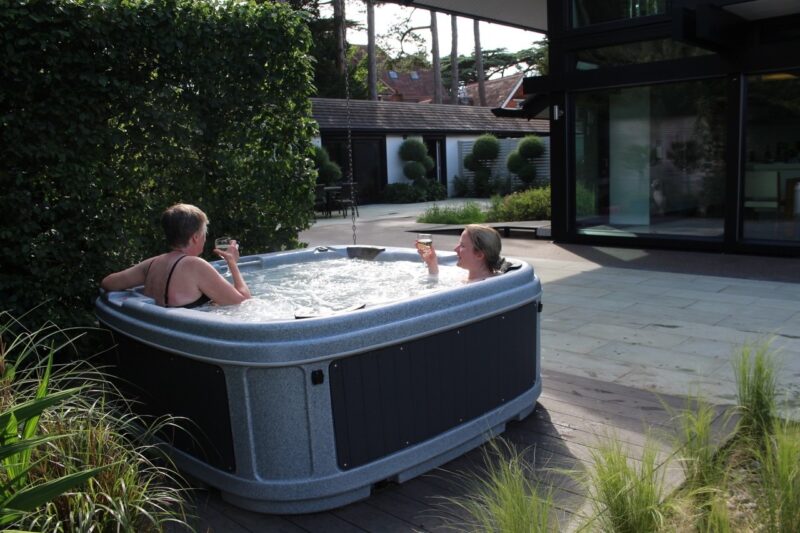
Hot water therapy—often referred to as hydrotherapy—works by applying heat and gentle pressure to the body through warm water immersion. Heat encourages muscles to loosen, blood vessels to expand, and circulation to improve. At the same time, the buoyancy of water reduces strain on joints and connective tissue.
Hot tubs enhance these effects by using jets to create targeted water movement. These jets deliver a massage-like sensation that stimulates muscles and soft tissue, helping to release tension and promote physical recovery more effectively than soaking alone.
Reducing Muscle Tightness and Physical Fatigue
One of the most common reasons people turn to hot water therapy is to relieve muscle discomfort. Warm water helps muscles relax by increasing blood flow, which delivers oxygen and nutrients needed for repair.
Consistent hot tub use may help:
- Alleviate muscle soreness after physical activity
- Reduce tightness caused by long periods of sitting or standing
- Support recovery from everyday physical strain
The feeling of near-weightlessness in water also allows muscles to fully relax without the pressure of gravity, making hot tubs especially helpful for those with physically demanding routines.
Supporting Joint Health and Mobility
Joint discomfort can significantly impact quality of life, especially as we age. Hot water therapy offers a gentle, non-invasive way to improve comfort and mobility. Heat helps loosen stiff joints, while buoyancy reduces the load placed on areas like the knees, hips, and shoulders.
Potential benefits include:
- Increased flexibility and ease of movement
- Reduced joint stiffness during cold weather
- More comfortable stretching and light activity
These effects make hot tubs particularly appealing to individuals with arthritis, joint sensitivity, or limited mobility.
Circulatory Benefits and Whole-Body Support
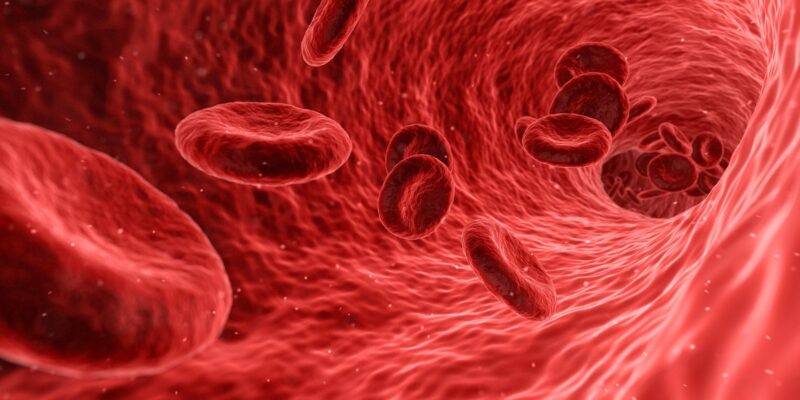
Warm water immersion causes blood vessels to widen, allowing blood to flow more freely throughout the body. Improved circulation supports muscle recovery, helps reduce inflammation, and aids in transporting nutrients to tissues.
Enhanced circulation may contribute to:
- Faster recovery from physical exertion
- Reduced swelling and inflammation
- Improved overall cardiovascular efficiency
For individuals who find traditional exercise challenging, hot water therapy can offer mild cardiovascular stimulation in a low-impact environment.
Stress Relief and Emotional Balance
The mental health benefits of hot water therapy are just as significant as the physical ones. Warm water activates the body’s relaxation response, helping to reduce stress hormones while encouraging a calm, balanced state of mind.
Regular hot tub use may help:
- Reduce anxiety and mental fatigue
- Improve mood and emotional clarity
- Create a consistent relaxation routine
Spending quiet time in a hot tub can also promote mindfulness, offering a rare opportunity to disconnect from daily demands and focus on personal well-being.
Enhancing Sleep Quality Naturally

Sleep issues are increasingly common, and hot water therapy can play a role in improving sleep patterns. Soaking in warm water before bedtime raises body temperature slightly. As the body cools afterward, it triggers a natural response that signals it’s time to rest.
This process may:
- Help shorten the time it takes to fall asleep
- Improve overall sleep quality
- Reduce nighttime restlessness
Many people find that incorporating hot tub use into their evening routine leads to more consistent and restful sleep.
Assisting with Injury Recovery and Rehabilitation
Hot tubs are often used in rehabilitation settings because of their ability to reduce pain and support gentle movement. Heat relaxes soft tissue, while buoyancy allows for controlled motion without added strain.
Hot water therapy can assist with:
- Muscle strains and overuse injuries
- Post-exercise soreness
- Gentle rehabilitation exercises
As always, individuals recovering from injury or surgery should consult a healthcare provider before using a hot tub as part of their recovery plan.
Low-Impact Exercise and Stretching Benefits
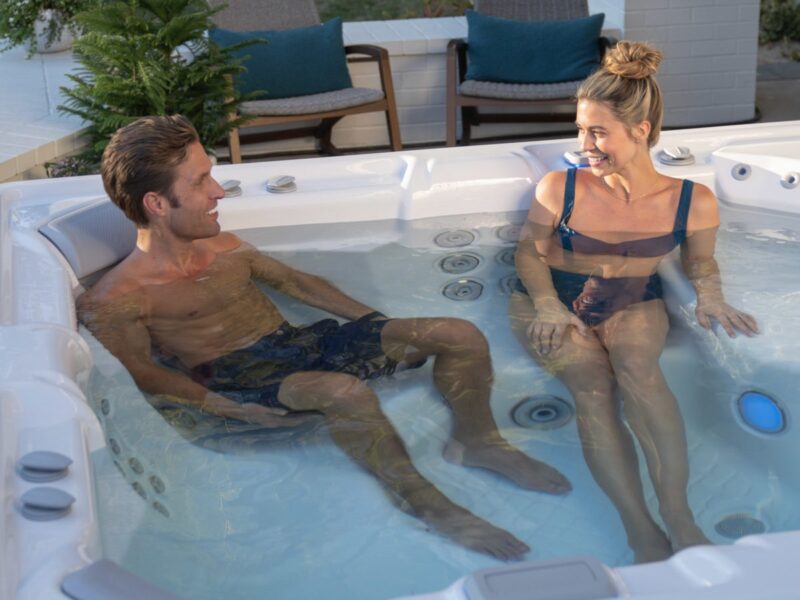
In addition to soaking, hot tubs can support light physical activity. Water resistance provides gentle strengthening, while buoyancy minimizes joint impact.
Benefits of movement in warm water include:
- Improved balance and coordination
- Safer stretching for joints and muscles
- Increased flexibility with reduced strain
This makes hot tubs suitable for a wide range of users, from active adults to seniors seeking gentle movement options.
Supporting Immune Health and Overall Vitality
While this is not a medical treatment, hot tub health benefits include overall wellness by reducing stress and improving circulation. Both factors play a role in maintaining a healthy immune system.
Potential wellness effects include:
- Reduced stress-related immune suppression
- Improved circulation-driven immune response
- Enhanced overall physical resilience
Relaxation alone can have a positive impact on immune function, making hot water therapy a valuable addition to a balanced lifestyle.
The Convenience of Consistent At-Home Hydrotherapy
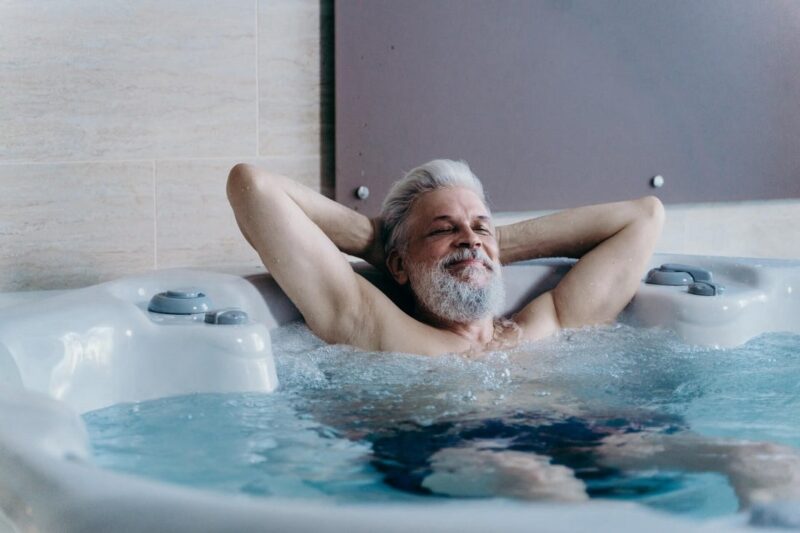
One of the greatest advantages of owning a hot tub is accessibility. Instead of scheduling spa visits or therapy appointments, homeowners can enjoy the benefits of hot water therapy whenever it fits into their day.
Modern hot tubs are designed for comfort and customization, offering:
- Ergonomic seating for full-body support
- Adjustable jet pressure for personalized massage
- Precise temperature controls
These features allow each session to be tailored to relaxation, recovery, or wellness goals.
Choosing a Hot Tub That Supports Wellness Goals
Not all hot tubs are created equal. Jet placement, seating design, insulation quality, and ease of maintenance all influence how effective hot water therapy will be over time.
For homeowners who want to explore their options in person, Central Jersey Pools provides an extensive showroom experience, featuring over 30 hot tubs on display from multiple manufacturers and more than 50 hot tubs in stock ready for delivery. This allows customers to compare features firsthand, experience different seating configurations, and select a model that best aligns with their health and lifestyle needs—without extended wait times.
Long-Term Benefits of Regular Hot Tub Use
When used consistently, hot water therapy can become more than an occasional indulgence. Many homeowners find that regular hot tub use helps reduce chronic tension, supports better sleep habits, and improves daily comfort.
Over time, a hot tub often becomes an essential wellness tool—supporting both physical recovery and mental balance throughout the year.
Final Thoughts
Hot water therapy offers a wide range of benefits that support both physical and mental health. From easing muscle tension and joint stiffness to improving sleep and reducing stress, the advantages of warm water immersion are well established.
With the comfort, customization, and convenience of a modern hot tub, these benefits become an easy part of everyday life. Whether used for relaxation, recovery, or overall wellness, hot water therapy can help create a healthier, more balanced lifestyle right at home.