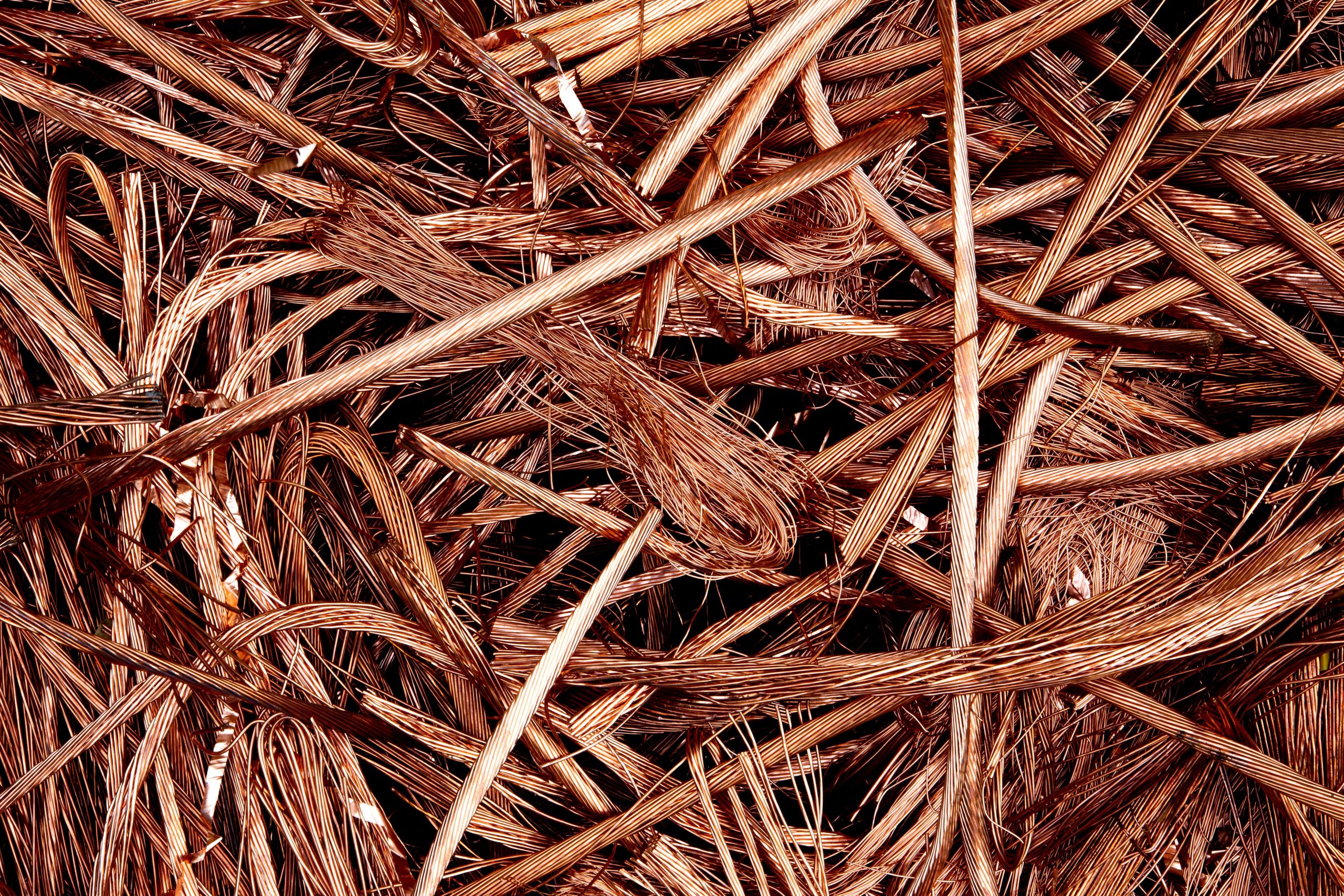
Scrap metal prices are quoted in pence or pounds per kilogram, but the material in your shed is not automatically worth the price you see on a market chart. Grade, cleanliness, quantity, location and the buyer’s costs all change the offer. Copper usually commands the highest price of these three; brass sits below it, while ordinary aluminium is worth much less by weight.
That ranking is useful, but a single headline rate is not. Treat online prices as a day- and grade-specific guide, then ask a local licensed dealer to confirm what they will pay for your actual load.
What are copper, brass and aluminium worth?
The figures below show two snapshots: the latest 2026 monthly trade guide available from letsrecycle’s non-ferrous metal price table (October) and one yard’s posted rates on 16 November 2026. They illustrate the scale of prices, not a guaranteed quote. The grades are not perfectly matched, particularly for brass and aluminium.
| Metal and grade | Trade guide, October 2026 | One yard’s list, 16 November 2026 |
|---|---|---|
| Copper: dry bright wire | £9.25/kg | £8.25/kg |
| Brass: heavy brass / listed brass | £4.20/kg | £4.40/kg |
| Aluminium: old rolled / mixed | £1.25/kg | £0.70/kg |
These examples are drawn from UK Metals’ posted per-kilo price list and the dated trade guide. They are not a like-for-like comparison for every row: “mixed aluminium” is not the same grade as clean rolled aluminium, and a yard’s general brass category may cover different material from heavy brass. A tonne-based trade guide is also not what a household seller should expect to receive.
A posted price is only the start
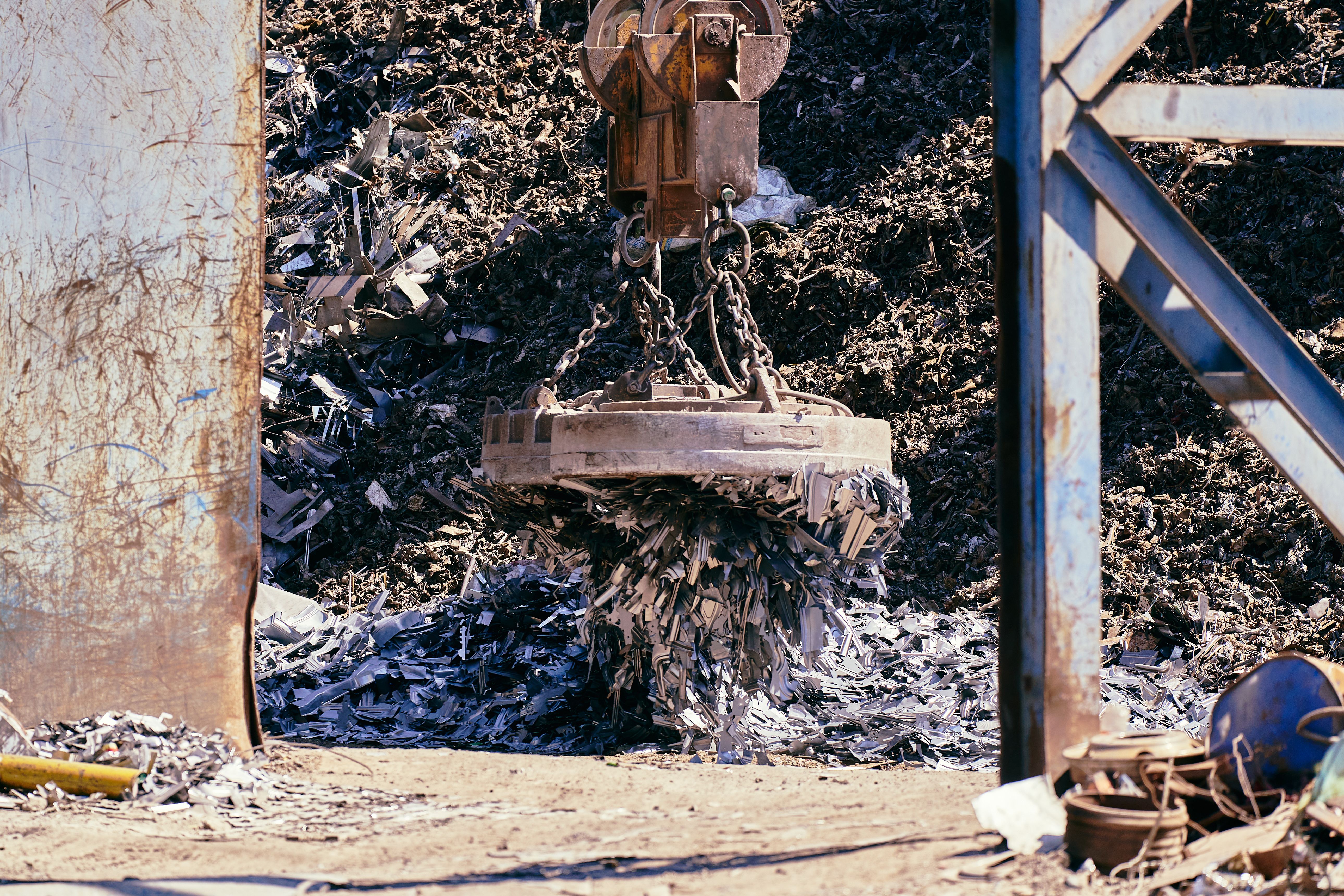
Metal exchanges value refined material in standard quantities. A scrap buyer has to inspect, sort, store and move what arrives, then sell it onward to a processor. The price offered is therefore a buying rate for a particular grade, not a direct share of the quoted exchange price.
Rates also vary between yards. A buyer close to a processor, handling larger volumes, may have different transport costs and demand from a small local yard. Published lists may be updated daily or less often; call before loading the van, especially if a price page has no clear update date.
Copper: purity pays
Clean, stripped bright copper wire is often at the top of ordinary scrap copper grades. Clean copper tube can also earn a strong rate, but paint, solder, fittings, insulation or heavy oxidation can push it into a lower category. Insulated cable is not priced like bare copper: the buyer is paying for the copper recovered after removing the plastic, and the yield depends on the cable type.
It is tempting to strip every cable to chase the bright-wire rate. I would not assume that is worthwhile: stripping takes time, and some cable is difficult to process safely or efficiently. Ask the yard how it grades that specific cable before doing extra work. Never burn insulation off; apart from the obvious fire and fume hazards, it leaves contaminated material.
Brass is not just “gold-coloured metal”
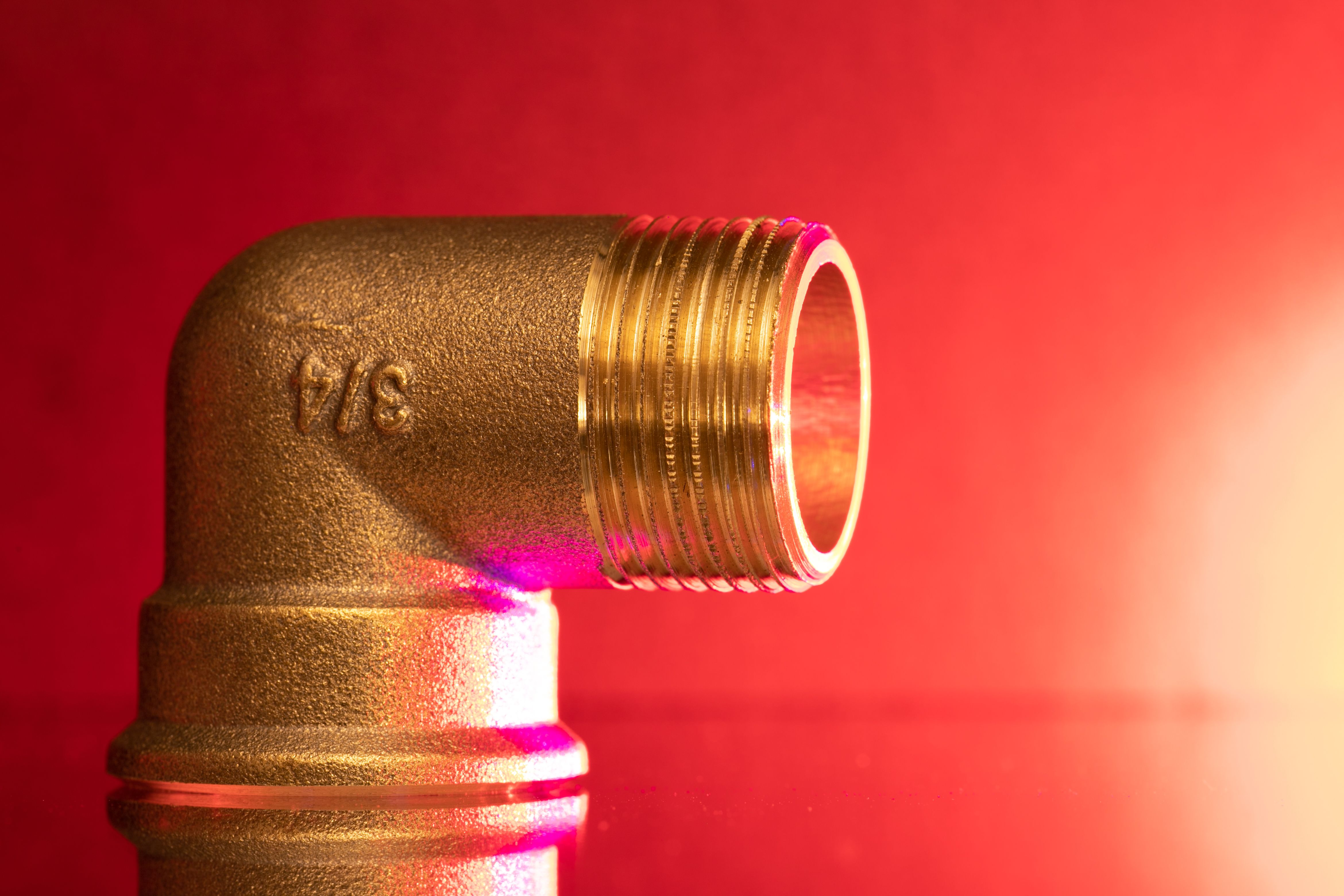
Brass is an alloy, mainly copper and zinc, so its value tends to track those constituent metals and the buyer’s demand for the grade. Taps, valves and pipe fittings may contain steel screws, rubber seals or plastic inserts. A solid brass item with attachments is not necessarily accepted at the clean-brass rate: yards may deduct the non-brass weight or classify the whole piece differently.
Check unfamiliar fittings with a magnet and look for removable inserts, but do not damage an item just to make a guess. Some yellow metals that look like brass are plated steel or other alloys. The yard’s grading rules, not the colour alone, decide the payment.
Aluminium: light, bulky and grade-sensitive
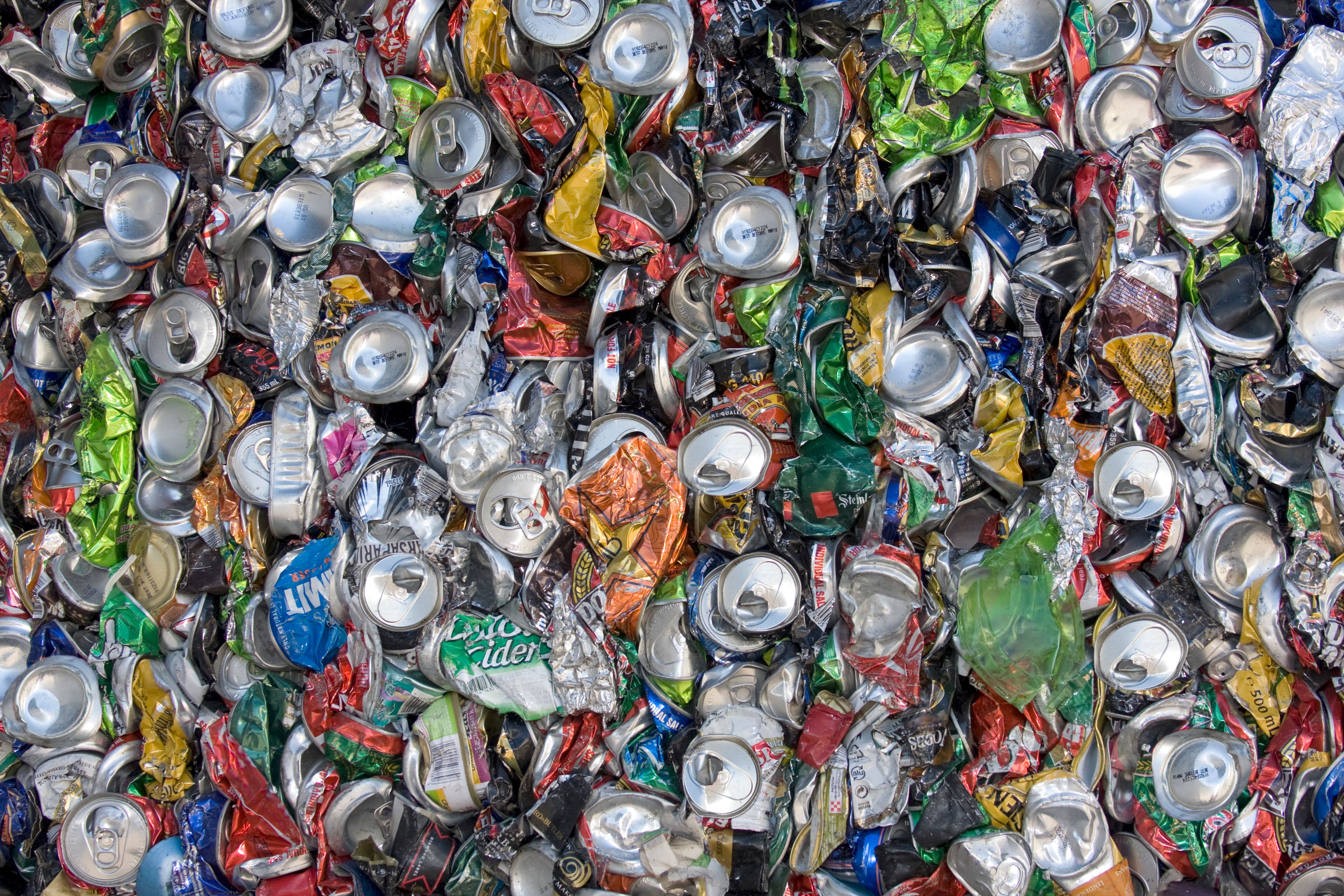
Aluminium’s lower price per kilogram can surprise people clearing cans or household items. It is lightweight, so a large-looking pile may weigh little. Clean extrusion, cast parts, wheels and cans can all be treated as distinct grades; mixed, painted or steel-attached material may be downgraded. Do not assume an aluminium radiator or an alloy wheel belongs in the same category as cans.
For a few bags of drinks cans, the trip may cost more in time and fuel than the scrap payment. Larger quantities of clean aluminium can make sorting worthwhile, but phone the yard first and ask whether it accepts that form and whether it requires material to be separated or prepared.
How to improve the quote without overworking the scrap
Before contacting a buyer, separate copper, brass and aluminium, remove obvious non-metal attachments where easy, and estimate the weight. Photograph unusual pieces and describe them honestly: “copper pipe with brass fittings” is more useful than simply “copper”. Ask whether the quoted rate is per kilogram, whether it applies to your grade and quantity, and whether collection changes the offer.
A simple estimate is weight multiplied by the confirmed rate. At £4.40/kg, for example, 10 kg of material that the yard accepts as its listed brass grade would indicate £44 before any regrading or deductions. The important condition is “accepted as that grade”; the arithmetic cannot tell you how the yard will classify a mixed load.
If you are in Bristol and have enough material to warrant collection, compare the cost and convenience of free scrap metal collection Bristol with taking it to a yard yourself. Confirm which metals and quantities are eligible and get the terms in writing or by message. “Free collection” does not automatically mean every item will be bought at the same rate as a clean, delivered grade.
Bring ID, and expect a traceable payment
Scrap dealing has rules as well as price lists. In England and Wales, the Scrap Metal Dealers Act 2013 prohibits dealers from paying cash for scrap; payment must use an allowed traceable method. Dealers also have to verify a supplier’s name and address, so bring suitable identification and check requirements with the yard before travelling. These provisions should not be assumed to cover Scotland in identical terms.
The best estimate comes from three things: a current local quote, a clear description of the grade and an accurate weight. Copper’s headline rate may catch the eye, but clean sorting and a confirmed category matter more than a dramatic number copied from an old price page.
How these figures were checked
The examples use the latest 2026 month shown in the trade guide available for this article and a UK yard’s rates marked as updated on 16 November 2026. They are snapshots, not a surveyed national average; posted prices can change, and grade labels are not standardised across every buyer. The article compares only common copper, brass and aluminium categories and does not estimate specialist alloys or large commercial loads. Recheck local rates on the day you plan to sell.